


Why Is My AC Running Constantly? 7 Reasons Your Air Conditioner Won’t Shut Off
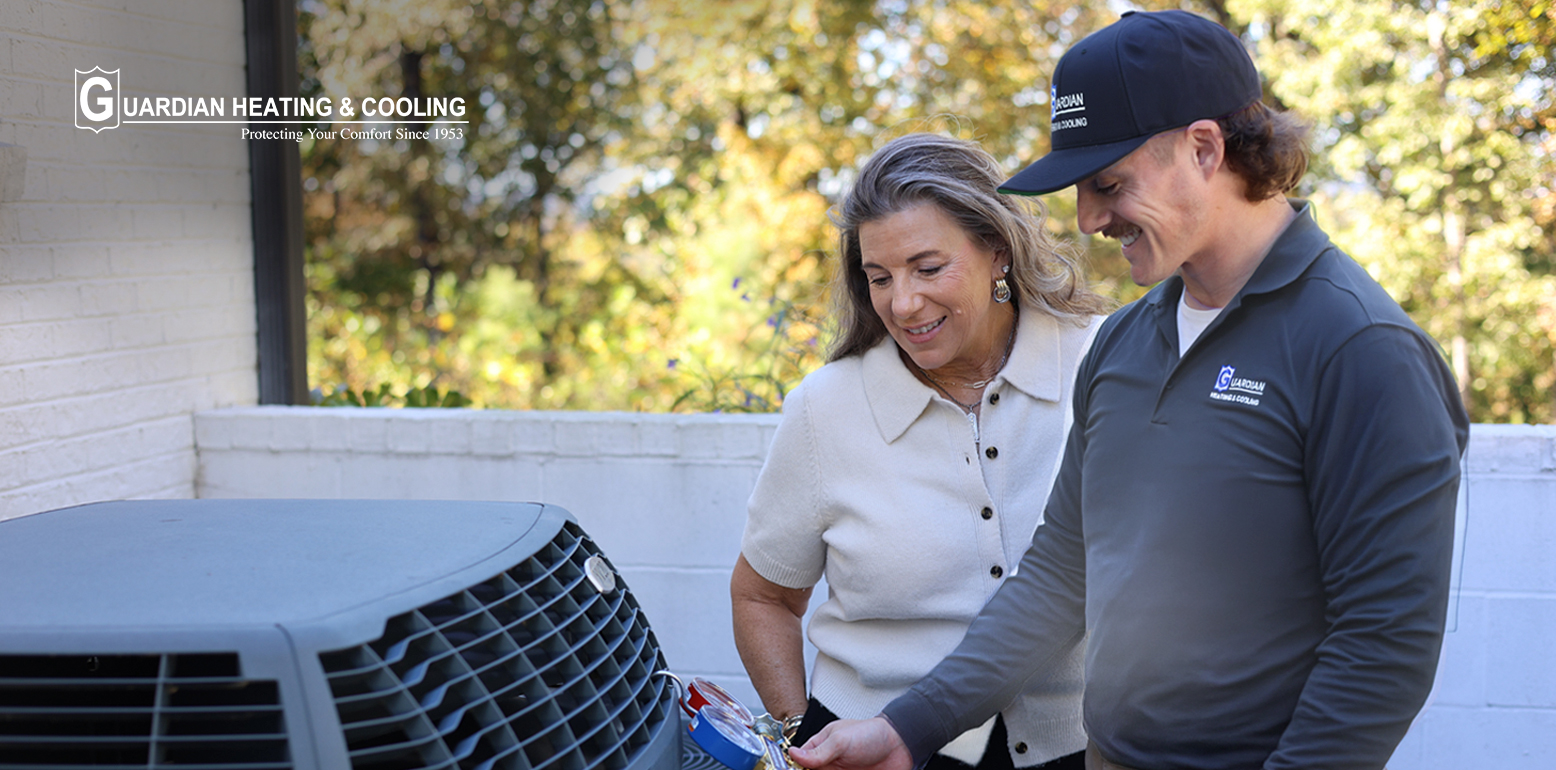
During a hot summer day, your air conditioner may run for longer than usual. However, if your AC is running constantly and rarely seems to shut off, something may be wrong. Homeowners throughout Chicago’s North Shore often notice this problem during the hottest part of summer. Your home may feel warmer than usual, certain rooms may stay uncomfortable, or your electric bill may suddenly increase. At Guardian Heating & Cooling, we have been helping local homeowners stay comfortable since 1953. Our team has seen nearly every type of cooling problem imaginable. While a constantly running AC does not always mean you need a major repair, it is worth paying attention to. Here are seven common reasons your air conditioner may refuse to take a break. 1. Your Air Filter Is Dirty One of the simplest causes of an AC running constantly is also one of the easiest to overlook. Your air conditioner needs steady airflow to cool your home properly. When the air filter becomes clogged with dust, pet hair, and other particles, airflow can become restricted. As a result, your system may have to run much longer to reach the temperature set on your thermostat. A dirty filter can also lead to other problems, including: Check your filter first if your air conditioner suddenly starts running longer than normal. If the filter looks dirty, replacing it may help restore proper airflow. However, if your system continues to run constantly after the filter is replaced, another issue may be responsible. 2. Your Thermostat May Be Causing the Problem Sometimes the air conditioner is working correctly, but the thermostat is sending the wrong message. For example, the thermostat may be reading the indoor temperature incorrectly. It may also be located near a window, doorway, appliance, or another area that affects its temperature reading. First, make sure your thermostat is set to COOL and the fan is set to AUTO rather than ON. When the fan setting is ON, the blower can continue running even when the air conditioner is not actively cooling your home. That can make it seem like the AC never shuts off. If your thermostat settings look correct but the system continues running, our team can check the thermostat and cooling system to determine what is happening. 3. Your Air Conditioner May Be Struggling With the Heat North Shore summers can bring stretches of high temperatures and heavy humidity. During very hot weather, an air conditioner may run for longer periods. That alone is not always a problem. The key question is whether your home is staying comfortable. If the AC runs for long periods but maintains the temperature on your thermostat, the system may simply be responding to outdoor conditions. On the other hand, there may be a problem if: These signs suggest your cooling system may need professional attention. 4. Your System May Have Low Refrigerant Refrigerant plays a major role in the cooling process. It allows your air conditioner to absorb heat from inside your home and release it outdoors. If the system does not have enough refrigerant, it may struggle to remove heat efficiently. The AC may continue running as it tries to reach the temperature on your thermostat. Low refrigerant may also cause: Refrigerant does not normally disappear from a properly sealed system. If the level is low, there may be a leak that needs to be located and repaired. This is not a do-it-yourself repair. An HVAC professional should inspect the system and determine the source of the problem. 5. Your Outdoor AC Unit Is Dirty or Blocked Your outdoor condenser unit releases heat that has been removed from your home. Because it sits outside, the unit can collect grass clippings, leaves, dirt, cottonwood, and other debris. Plants and shrubs can also grow too close to the equipment. When airflow around the outdoor unit becomes restricted, the system has a harder time releasing heat. That can cause your AC to run longer than it should. Take a quick look around your outdoor unit. Make sure there is open space around it and remove loose debris from the surrounding area. However, avoid taking the unit apart or attempting to clean internal components yourself. If the coils or other parts need professional cleaning or repair, our team can handle it safely. 6. Your Home May Be Losing Cool Air Sometimes the AC itself is not the only reason your system keeps running. Cool air can escape through gaps around doors and windows, poorly insulated areas, or leaking ductwork. At the same time, hot outdoor air can enter the home. When that happens, your cooling system has to work harder to maintain a comfortable temperature. Duct problems can be especially difficult for homeowners to spot. If cooled air is leaking into an attic, crawl space, or another unused area, less conditioned air reaches your living spaces. You may notice: Older homes in communities such as Wilmette, Winnetka, Glencoe, and Highland Park can have unique cooling challenges. The condition of the ductwork, insulation, windows, and HVAC equipment can all affect comfort. A professional evaluation can help determine whether the problem is coming from the air conditioner or another part of the home. 7. Your Air Conditioner May Be Aging or Improperly Sized Air conditioners do not last forever. As equipment ages, components wear down and the system may gradually lose efficiency. An older AC may begin running longer to provide the same amount of cooling it once delivered easily. System size can also cause problems. An air conditioner that is too small may struggle to keep up on hot days. It may run almost continuously without ever reaching the desired temperature. However, bigger is not always better. An oversized system can cool the house too quickly and shut down before properly removing humidity. That can create its own comfort problems. If your AC is older, requires frequent repairs, or no longer keeps the home comfortable, it may be time to compare repair and replacement options.
Signs Your Home’s Heating and Cooling Systems Are Trying to Tell You Something’s Wrong
Strange Noises That Signal HVAC Problems Your HVAC system communicates through sounds, and unusual noises often represent the first warning signs of developing problems. When your furnace starts making banging or popping sounds during startup, it typically indicates delayed ignition caused by dirty burners or gas buildup. This situation requires immediate attention from qualified technicians who understand the complexities of modern heating systems. At Guardian Heating & Cooling, we’ve been diagnosing these exact issues throughout Chicagoland since 1953, and our technicians regularly encounter homeowners who wish they’d addressed these warning sounds sooner. Screeching or squealing from your air conditioning unit usually points to belt problems or motor bearing failures. These components experience significant wear during Chicago’s humid summers when systems run continuously. Metal-on-metal grinding sounds indicate severe component degradation that could lead to complete system failure if ignored. Our family oriented business maintains the expertise to service all makes and models of equipment, ensuring proper diagnosis regardless of your system’s age or manufacturer. Rattling sounds often suggest loose panels, deteriorating ductwork connections, or debris in outdoor units, while whistling typically reveals airflow restrictions through dirty filters or blocked vents. Temperature Inconsistencies Throughout Your Home Uneven heating and cooling patterns reveal underlying system inefficiencies that waste energy and compromise comfort. When certain rooms remain stubbornly cold during winter while others feel overheated, your system struggles with proper air distribution. This problem frequently stems from ductwork leaks, where conditioned air escapes into unconditioned spaces like attics or crawl spaces. Industry studies indicate that typical homes lose twenty to thirty percent of conditioned air through duct leaks, dramatically increasing utility costs while reducing comfort levels. Zone control issues also manifest through temperature variations between floors, with heat naturally rising and creating uncomfortable disparities. Modern HVAC solutions incorporate variable-speed motors and smart thermostats to address these challenges, but older systems often require strategic upgrades. We firmly believe in educating homeowners about available comfort solutions, from simple damper adjustments to comprehensive zoning systems. Your comfort remains our number one priority, which means we’ll explore multiple approaches to achieve consistent temperatures throughout your living spaces. Rising Energy Bills Without Increased Usage Unexplained utility cost increases often indicate declining HVAC efficiency before other symptoms appear. When your system works harder to maintain comfortable temperatures, energy consumption rises proportionally. Aging components lose efficiency gradually, with heat exchangers developing microscopic cracks, refrigerant slowly leaking, and electrical connections degrading over time. These incremental changes compound monthly, creating noticeable budget impacts that signal the need for professional evaluation. Statistical analysis shows that HVAC systems lose approximately five percent efficiency annually without proper maintenance. This degradation accelerates in harsh climates like Chicago’s, where equipment faces extreme temperature swings and high humidity levels. Our maintenance program addresses these efficiency losses through systematic inspections, cleaning, and adjustments that restore optimal performance. Guardian’s technicians receive constant continuing education to stay current with efficiency technologies and diagnostic techniques, ensuring accurate identification of energy-wasting problems. Visual and Physical Warning Signs Ice formation on air conditioning components: indicates refrigerant issues or airflow restrictions Excessive dust around vents: suggests filter problems or ductwork breaches Water pooling near equipment: reveals drainage blockages or condensation issues Rust or corrosion on units: signals moisture problems requiring immediate attention Burning smells during operation: warns of electrical problems or overheating components System Age and Performance Decline HVAC equipment typically operates reliably for fifteen to twenty years with proper maintenance, but performance gradually declines as components wear. Older systems require increasingly frequent repairs, with replacement parts becoming scarce and expensive. Modern high-efficiency units offer substantial improvements over equipment installed just ten years ago, incorporating advanced features like variable-speed technology, smart controls, and enhanced filtration systems. We understand that equipment replacement represents a significant investment, which explains our commitment to offering multiple comfort solutions rather than single quotes. Our high standard of professionalism ensures you receive comprehensive information about repair versus replacement options, allowing informed decisions based on your specific circumstances. Whether addressing immediate repair needs in Lincoln Park or planning system upgrades in Highland Park, our team provides detailed explanations of available options and expected outcomes. Guardian Heating & Cooling stands behind all work and products with unmatched warranties and guarantees, providing assurance that we’ll support your investment well into the future. Our technicians maintain expertise across all equipment makes and models, from traditional furnaces to cutting-edge heat pump systems. This comprehensive knowledge, combined with decades of experience serving Glenview, Morton Grove, Glencoe, and surrounding communities, positions us to identify subtle warning signs before they escalate into major failures.