


The Most Common HVAC Mistakes New Homeowners Make and How to Avoid Costly Repairs
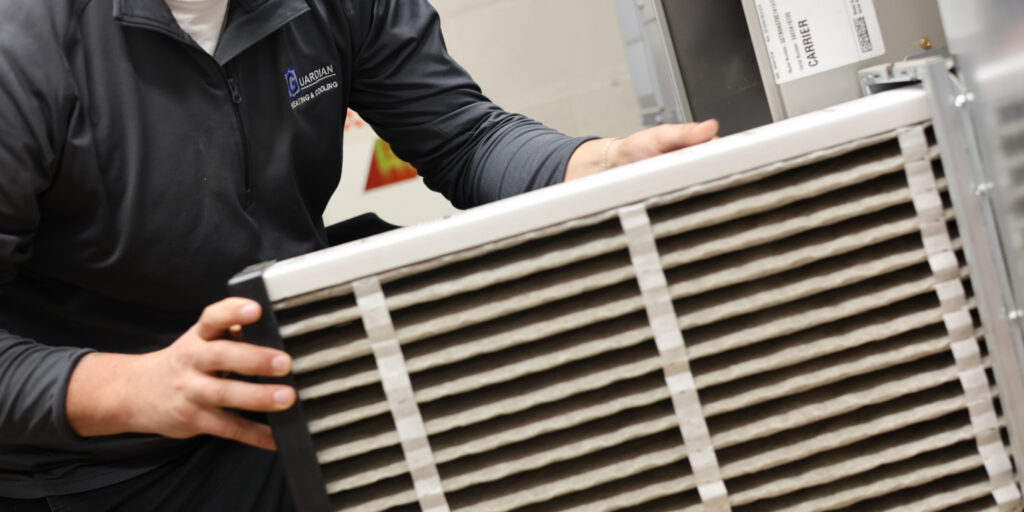
Purchasing your first home is an exciting milestone, but it also comes with a learning curve that many people underestimate, especially when it comes to heating and cooling systems. At Guardian Heating & Cooling, we have been proudly serving up comfort all across Chicagoland since 1953, and in that time we have seen countless new homeowners make preventable mistakes that lead to expensive HVAC repair bills, premature equipment failure, and uncomfortable living conditions. Whether you live in Chicago, Glenview, Highland Park, Lincoln Park, Morton Grove, or Glencoe, understanding these pitfalls can save you significant money and frustration over the life of your home. Neglecting Regular Maintenance and Filter Changes The single most common mistake we see new homeowners make is treating their HVAC system as something they can simply set and forget. Unlike a kitchen appliance, your furnace and air conditioning system require consistent attention to operate efficiently. Industry data suggests that nearly half of all HVAC system failures stem from a lack of routine maintenance, and the Department of Energy reports that replacing a clogged filter alone can reduce energy consumption by five to fifteen percent. These are not trivial numbers when you consider the cumulative effect over years of homeownership. Changing your air filter every one to three months depending on usage, household size, and whether you have pets is the simplest step you can take. Beyond that, scheduling professional furnace service before winter and air conditioning service before summer ensures that small issues are caught early. Our unmatched warranties, guarantees, and maintenance program give you the assurance that Guardian Heating & Cooling is here for you today and well into the future, making it easy to stay on top of this critical responsibility. Ignoring Warning Signs Until It Is Too Late New homeowners often lack the experience to recognize when their heating or cooling system is sending distress signals. Strange noises like banging, whistling, or grinding are not normal operating sounds. Uneven temperatures throughout the house, unusually high utility bills, and frequent cycling on and off all point to underlying problems that will only worsen with time. Addressing these symptoms early with a professional HVAC repair visit is almost always less expensive than waiting for a complete breakdown. Our team of technicians continues to strive for excellence in the field, and constant continuing education classes allow them to stay ahead of the curve as technology advances. This means they can quickly diagnose problems that less experienced technicians might miss entirely. Whether you need new equipment, repairs, or maintenance, you can rely on our highly trained dependable team to get the job done. Attempting DIY Repairs Beyond Your Skill Level Online tutorials make furnace service and heating service repairs look deceptively simple, but HVAC systems involve electrical components, refrigerant handling, gas connections, and complex controls that can be dangerous without proper training. A well-intentioned DIY attempt can void manufacturer warranties, create safety hazards, or cause additional damage that multiplies the original repair cost. We firmly believe in educating homeowners and allowing them to make informed decisions, but there is an important distinction between understanding your system and attempting to repair it yourself. Tasks that are safe for homeowners include changing filters, keeping outdoor units clear of debris, and ensuring vents are unobstructed. Beyond that, professional expertise is essential. Here are some situations that always require a trained technician: Choosing the Wrong Size Equipment During Replacement When it comes time to replace aging equipment, many new homeowners assume bigger means better. In reality, an oversized air conditioning unit cycles on and off too frequently, fails to dehumidify properly, wears out faster, and wastes energy. An undersized system runs constantly without ever reaching the desired temperature. Proper load calculations based on your home’s square footage, insulation levels, window orientation, and ductwork design are essential for selecting the right equipment. Our family oriented business is large enough to service all makes and models of equipment, yet small enough to care. Your comfort is always our number one priority, which is why we always strive to offer a large array of comfort solutions, not just a quote. Rarely is there only one way to achieve the perfect level of comfort, and our high standard of professionalism will give you peace of mind as you make your informed decisions. At Guardian Heating & Cooling, we believe in doing our work the right way and stand behind our work and products so that your investment serves you reliably for years to come. Key Takeaways for New Homeowners Serving communities across Chicago, Glencoe, Glenview, Highland Park, Lincoln Park, and Morton Grove, Guardian Heating & Cooling is ready to help you avoid these common mistakes and enjoy reliable comfort in your new home.
How to Read and Compare HVAC Service Quotes: A Homeowner’s Guide to Making Informed Decisions
Understanding the Basic Components of HVAC Service Quotes When you receive multiple quotes for AC installation or furnace service in Chicago, IL or surrounding areas like Glenview and Highland Park, knowing what to look for becomes essential. A comprehensive HVAC repair quote should include several key elements that help you understand exactly what you’re paying for. The equipment model numbers and efficiency ratings should be clearly listed, along with manufacturer specifications and warranty details. Labor costs need to be itemized separately from materials, showing you the breakdown between the actual equipment and the work required for installation or repair. Professional quotes also detail the scope of work, including any necessary modifications to existing ductwork, electrical upgrades, or permit requirements. We include specific timelines for project completion and outline what preparation work might be needed from your end. Understanding these components helps you recognize when a quote might be missing crucial information that could lead to unexpected costs later. Comparing Equipment Specifications and Efficiency Ratings Air conditioning service quotes often feature different equipment options with varying SEER ratings, which measure cooling efficiency. Higher SEER ratings typically mean lower operating costs over time, though the initial investment is greater. For furnace installations, AFUE ratings serve the same purpose, indicating what percentage of fuel converts to usable heat. A 95% AFUE furnace wastes only 5% of its fuel, while an 80% AFUE model loses 20% through exhaust. Equipment size matters significantly for both comfort and efficiency. An oversized system cycles on and off frequently, creating temperature swings and increasing wear on components. Undersized equipment runs constantly, struggling to maintain comfortable temperatures while driving up energy bills. Professional load calculations consider your home’s square footage, insulation levels, window placement, and local climate data to determine the appropriate equipment capacity. Since 1953, we’ve been helping Chicagoland homeowners understand these technical specifications and how they translate to real-world comfort and savings. Evaluating Warranty Coverage and Service Agreements Warranty terms vary dramatically between quotes and understanding these differences protects your investment long-term. Manufacturer warranties typically cover parts for specific periods, ranging from five to ten years for standard coverage, with some premium models offering lifetime heat exchanger warranties. Labor warranties depend entirely on the installing company, and this is where significant differences emerge between contractors. Parts coverage duration: Standard warranties range from 5-10 years, with registration often required within 60 days of installation Labor warranty terms: Quality contractors offer multi-year labor warranties backing their installation work Maintenance requirements: Many warranties require annual professional maintenance to remain valid Transferability options: Some warranties transfer to new homeowners, adding value if you sell your property Extended warranty options and maintenance agreements provide additional protection beyond standard coverage. These service agreements typically include priority scheduling, discounted repair rates, and annual tune-ups that keep equipment running efficiently while maintaining warranty compliance. Identifying Hidden Costs and Potential Add-Ons Incomplete quotes often exclude necessary components that surface as add-ons during installation. Permits, required by most municipalities including Morton Grove and Lincoln Park, might not appear in initial pricing. Disposal fees for old equipment, concrete pad requirements for outdoor units, or modifications to accommodate new equipment dimensions can add hundreds to your final bill. Electrical upgrades frequently become necessary when replacing older HVAC systems with modern high-efficiency models. Newer equipment might require different voltage, upgraded circuit breakers, or additional disconnect boxes to meet current electrical codes. Ductwork modifications, though sometimes genuinely unexpected, should be assessed during the initial evaluation. Professional contractors identify potential complications upfront, providing transparent pricing that reflects the complete project scope. As a family-oriented business that’s large enough to service all makes and models yet small enough to care about each customer, we believe in offering comprehensive comfort solutions, not just quotes. Making Your Final Decision with Confidence After comparing technical specifications, warranties, and complete costs, consider the contractor’s reputation and approach to customer service. The lowest price rarely represents the best value when factoring in long-term reliability, energy efficiency, and ongoing support. Professional installation significantly impacts equipment performance and longevity, with improper installation potentially voiding warranties and reducing efficiency by up to 30%. Request references from recent installations similar to your project scope. Verify licensing, insurance, and Better Business Bureau standings. Quality contractors welcome questions and provide detailed explanations about their recommendations. Our commitment to educating homeowners and maintaining high standards of professionalism ensures you make informed decisions about your comfort investment. With unmatched warranties, guarantees, and comprehensive maintenance programs, we demonstrate our confidence in both our work and products, providing assurance that extends well into the future.
Why Attempting DIY HVAC Repairs Can Cost You More Than Professional Service in the Long Run
The Hidden Dangers of DIY HVAC Repairs When your air conditioning stutters on a sweltering Chicago summer day or your furnace fails during a brutal Illinois winter, the temptation to grab your toolbox and tackle the problem yourself can be overwhelming. However, what starts as an attempt to save money on professional service often transforms into a costly mistake that damages both your equipment and your wallet. Modern HVAC systems have evolved into sophisticated machines incorporating advanced electronics, precise calibration requirements, and safety mechanisms that demand professional expertise to service properly. The complexity of today’s heating and cooling systems extends far beyond what most homeowners realize. These units contain intricate refrigerant cycles, electrical components operating at various voltages, combustion systems requiring precise air-to-fuel ratios, and computerized control boards that manage every aspect of operation. A seemingly simple issue like inadequate cooling might stem from dozens of potential causes, ranging from refrigerant charge problems to failed capacitors, dirty evaporator coils, or malfunctioning thermostats. Without proper diagnostic equipment and training, identifying the actual root cause becomes guesswork that often leads to replacing perfectly functional components while missing the real problem entirely. Safety Risks and Legal Complications Working on HVAC equipment without proper training exposes you and your family to serious safety hazards that professionals at Guardian Heating & Cooling are trained to handle safely. Furnace repair work involves natural gas connections where even minor mistakes can lead to gas leaks, creating explosion risks or carbon monoxide poisoning dangers. Electrical components within these systems operate at 240 volts, enough to cause fatal electrocution if mishandled. Additionally, air conditioning service requires handling refrigerants that are federally regulated substances. The EPA requires technicians to hold specific certifications to purchase and handle these chemicals, and violations can result in substantial fines exceeding $40,000. Beyond immediate safety concerns, DIY repairs often void manufacturer warranties, leaving you completely responsible for future repair costs that would have been covered. Insurance companies may also deny claims for damages resulting from unprofessional work on HVAC systems. If improper repairs cause water damage from condensate drainage issues or fire damage from electrical problems, you could face thousands of dollars in uncovered losses. Our team maintains all required licenses and insurance, protecting both your investment and your home while ensuring compliance with local building codes throughout Chicago, Glenview, Highland Park, and surrounding communities. The Cascade Effect of Amateur Repairs One misdiagnosed problem or improperly executed repair frequently triggers a cascade of additional issues that compound repair costs exponentially. Consider a homeowner who notices their air conditioner running constantly without adequately cooling their Morton Grove home. They might add refrigerant, assuming low levels are causing the problem. However, if the actual issue involves a dirty evaporator coil restricting airflow, adding refrigerant creates an overcharge condition that damages the compressor, the most expensive component in the system. What started as a service call requiring simple coil cleaning escalates into a major repair costing several thousand dollars. Similarly, attempting furnace repairs without understanding combustion dynamics can create incomplete burning conditions that produce excessive soot, clogging heat exchangers and reducing efficiency. This forces the system to work harder, accelerating wear on components like blower motors and control boards. The accumulated damage from one improper repair might not manifest immediately but significantly shortens equipment lifespan, forcing premature replacement of systems that should have lasted another decade with proper professional maintenance. Professional Expertise Saves Money Long-Term Accurate diagnostics prevent unnecessary part replacements – We use specialized tools and decades of experience serving Chicagoland since 1953 to identify exact problems Preventive maintenance extends equipment life – Regular professional service catches minor issues before they become major failures Energy efficiency optimization reduces utility bills – Proper calibration and cleaning can improve system efficiency by up to 30% Warranty preservation protects your investment – Professional service maintains manufacturer coverage for expensive repairs At Guardian Heating & Cooling, we understand that HVAC repairs represent significant expenses, which drives the DIY temptation. However, our approach focuses on providing multiple comfort solutions rather than single expensive fixes. We believe in educating homeowners about their options, whether that involves simple adjustments, targeted repairs, or strategic equipment upgrades. Our comprehensive maintenance programs prevent many common failures entirely, reducing overall costs while ensuring reliable comfort throughout Lincoln Park, Glencoe, and beyond. When you factor in the risks of injury, equipment damage, voided warranties, and cascading failures, professional service delivers superior value despite higher upfront costs. Your comfort remains our priority, supported by unmatched warranties and guarantees that protect your investment for years to come.
Signs Your Home’s Heating and Cooling Systems Are Trying to Tell You Something’s Wrong
Strange Noises That Signal HVAC Problems Your HVAC system communicates through sounds, and unusual noises often represent the first warning signs of developing problems. When your furnace starts making banging or popping sounds during startup, it typically indicates delayed ignition caused by dirty burners or gas buildup. This situation requires immediate attention from qualified technicians who understand the complexities of modern heating systems. At Guardian Heating & Cooling, we’ve been diagnosing these exact issues throughout Chicagoland since 1953, and our technicians regularly encounter homeowners who wish they’d addressed these warning sounds sooner. Screeching or squealing from your air conditioning unit usually points to belt problems or motor bearing failures. These components experience significant wear during Chicago’s humid summers when systems run continuously. Metal-on-metal grinding sounds indicate severe component degradation that could lead to complete system failure if ignored. Our family oriented business maintains the expertise to service all makes and models of equipment, ensuring proper diagnosis regardless of your system’s age or manufacturer. Rattling sounds often suggest loose panels, deteriorating ductwork connections, or debris in outdoor units, while whistling typically reveals airflow restrictions through dirty filters or blocked vents. Temperature Inconsistencies Throughout Your Home Uneven heating and cooling patterns reveal underlying system inefficiencies that waste energy and compromise comfort. When certain rooms remain stubbornly cold during winter while others feel overheated, your system struggles with proper air distribution. This problem frequently stems from ductwork leaks, where conditioned air escapes into unconditioned spaces like attics or crawl spaces. Industry studies indicate that typical homes lose twenty to thirty percent of conditioned air through duct leaks, dramatically increasing utility costs while reducing comfort levels. Zone control issues also manifest through temperature variations between floors, with heat naturally rising and creating uncomfortable disparities. Modern HVAC solutions incorporate variable-speed motors and smart thermostats to address these challenges, but older systems often require strategic upgrades. We firmly believe in educating homeowners about available comfort solutions, from simple damper adjustments to comprehensive zoning systems. Your comfort remains our number one priority, which means we’ll explore multiple approaches to achieve consistent temperatures throughout your living spaces. Rising Energy Bills Without Increased Usage Unexplained utility cost increases often indicate declining HVAC efficiency before other symptoms appear. When your system works harder to maintain comfortable temperatures, energy consumption rises proportionally. Aging components lose efficiency gradually, with heat exchangers developing microscopic cracks, refrigerant slowly leaking, and electrical connections degrading over time. These incremental changes compound monthly, creating noticeable budget impacts that signal the need for professional evaluation. Statistical analysis shows that HVAC systems lose approximately five percent efficiency annually without proper maintenance. This degradation accelerates in harsh climates like Chicago’s, where equipment faces extreme temperature swings and high humidity levels. Our maintenance program addresses these efficiency losses through systematic inspections, cleaning, and adjustments that restore optimal performance. Guardian’s technicians receive constant continuing education to stay current with efficiency technologies and diagnostic techniques, ensuring accurate identification of energy-wasting problems. Visual and Physical Warning Signs Ice formation on air conditioning components: indicates refrigerant issues or airflow restrictions Excessive dust around vents: suggests filter problems or ductwork breaches Water pooling near equipment: reveals drainage blockages or condensation issues Rust or corrosion on units: signals moisture problems requiring immediate attention Burning smells during operation: warns of electrical problems or overheating components System Age and Performance Decline HVAC equipment typically operates reliably for fifteen to twenty years with proper maintenance, but performance gradually declines as components wear. Older systems require increasingly frequent repairs, with replacement parts becoming scarce and expensive. Modern high-efficiency units offer substantial improvements over equipment installed just ten years ago, incorporating advanced features like variable-speed technology, smart controls, and enhanced filtration systems. We understand that equipment replacement represents a significant investment, which explains our commitment to offering multiple comfort solutions rather than single quotes. Our high standard of professionalism ensures you receive comprehensive information about repair versus replacement options, allowing informed decisions based on your specific circumstances. Whether addressing immediate repair needs in Lincoln Park or planning system upgrades in Highland Park, our team provides detailed explanations of available options and expected outcomes. Guardian Heating & Cooling stands behind all work and products with unmatched warranties and guarantees, providing assurance that we’ll support your investment well into the future. Our technicians maintain expertise across all equipment makes and models, from traditional furnaces to cutting-edge heat pump systems. This comprehensive knowledge, combined with decades of experience serving Glenview, Morton Grove, Glencoe, and surrounding communities, positions us to identify subtle warning signs before they escalate into major failures.
How to Create an HVAC Documentation System That Protects Your Home Investment and Simplifies Future Service Calls
Building Your HVAC Documentation Foundation Creating a comprehensive HVAC documentation system starts with understanding what information truly matters for protecting your investment. Your heating and cooling equipment represents thousands of dollars in home infrastructure, and proper documentation ensures you maximize both its lifespan and efficiency. Begin by establishing a dedicated physical folder and digital backup system for all HVAC-related paperwork. This includes warranty certificates, installation records, service invoices, and equipment specifications. At Guardian Heating & Cooling, we’ve been proudly serving up comfort all across Chicagoland since 1953, and throughout these decades, we’ve seen firsthand how proper documentation saves homeowners significant time and money during service calls. The documentation process should capture every interaction with your HVAC system from day one. Record the installation date, model numbers, serial numbers, and contractor information for both your furnace and air conditioning units. Include photographs of the equipment nameplates, as these often fade or become illegible over time. Document the initial system configuration, including thermostat settings, zoning details, and any customizations made during installation. This baseline information becomes invaluable when troubleshooting issues or determining whether components remain under warranty. Essential Documents to Maintain Your HVAC documentation system should contain several critical categories of information that technicians need for efficient service. Equipment manuals and specification sheets provide detailed operational parameters and troubleshooting guides specific to your models. These documents often contain error code definitions and maintenance intervals recommended by manufacturers. Service records create a timeline showing all repairs, part replacements, and routine maintenance performed on your system. This history helps technicians identify patterns, recurring issues, and components approaching their expected lifespan. Energy consumption records offer another vital documentation layer. Track monthly utility bills alongside outdoor temperature data to establish efficiency baselines. Note any sudden changes in energy usage, as these often indicate developing problems before they cause system failure. Include filter replacement dates and types, refrigerant charge levels documented during service visits, and any comfort issues you’ve noticed in specific rooms or zones. Our family oriented business is large enough to service all makes and models of equipment, yet small enough to care about these details that make a real difference in system performance. Creating Your Digital Archive While physical documents remain important, digital documentation provides searchable, shareable, and secure backup options. Scan all paper documents into PDF format, organizing them into clearly labeled folders by category and date. Use consistent naming conventions that include the document type, equipment affected, and service date. Cloud storage services ensure your documentation remains accessible even if physical copies are damaged or lost. Many homeowners in areas like Highland Park and Glenview have benefited from having instant access to their HVAC documentation through smartphone apps during unexpected breakdowns. Consider creating a simple spreadsheet that serves as your documentation index. Include columns for: Service date and type of work performed Technician name and company contact information Parts replaced with model numbers and costs Warranty expiration dates for components Next recommended service date Maintenance Logs and Performance Tracking Regular maintenance documentation goes beyond simple service receipts. Create monthly checklists for homeowner tasks like filter inspections, thermostat battery replacements, and visual equipment checks. Document any unusual sounds, odors, or performance issues as they occur, noting the date, time, and weather conditions. This detailed logging helps technicians diagnose intermittent problems that might not appear during a routine service call. Your comfort is always our #1 priority, and thorough documentation helps us achieve that goal more effectively. Performance metrics should include temperature differentials between supply and return air, cycle times during peak heating and cooling periods, and humidity levels throughout your home. Modern smart thermostats can automatically log much of this data, but understanding and documenting the trends yourself provides valuable context. Areas like Lincoln Park and Morton Grove experience significant seasonal variations, making year-round documentation essential for identifying gradual performance degradation versus normal seasonal adjustments. Maximizing Service Call Efficiency When you need furnace service or AC repair, comprehensive documentation transforms the service experience. Technicians can review your system’s history before arriving, bringing appropriate parts and tools for likely issues. This preparation reduces diagnostic time and often enables same-visit repairs. Documentation also prevents unnecessary work by showing recent services performed and components already under warranty. At Guardian Heating & Cooling, we believe in doing our work the right way and stand behind our work and products, and proper documentation helps ensure nothing gets overlooked or duplicated. Your documentation system proves invaluable during equipment replacement decisions. Historical repair costs, frequency of breakdowns, and efficiency trends clearly indicate when repair costs exceed replacement value. This data-driven approach ensures you make informed decisions about your HVAC investment, whether you’re in Chicago, Glencoe, or anywhere across our service area.
How Chicago’s Extreme Weather Patterns Impact Your HVAC System and What You Can Do About It
Understanding Chicago’s Unique Weather Challenges Chicago’s weather patterns present exceptional challenges that directly impact your HVAC system’s performance and longevity. The city experiences temperature swings of over 100 degrees Fahrenheit between summer peaks and winter lows, with recorded temperatures ranging from -27°F to 105°F. These dramatic fluctuations force heating and cooling systems to work at maximum capacity during extended periods, accelerating wear on critical components like compressors, heat exchangers, and blower motors. At Guardian Heating & Cooling, we’ve been navigating these extreme conditions since 1953, developing deep expertise in protecting systems from weather-related damage. The infamous lake effect adds another layer of complexity to Chicago’s climate impact on HVAC systems. Humidity levels can spike dramatically during summer months, reaching 80-90% on consecutive days, forcing air conditioning units to work overtime removing moisture from indoor air. This increased workload translates to 30-40% higher energy consumption during peak humid periods compared to dry heat conditions. Winter lake effect snow can accumulate rapidly around outdoor units, blocking airflow and causing systems to cycle inefficiently or shut down entirely if not properly maintained. Seasonal Stress Points on Your Equipment Winter in Chicago poses unique threats to heating systems beyond simple cold temperatures. The freeze-thaw cycles that characterize our winters cause expansion and contraction in system components, potentially creating refrigerant leaks in heat pump systems and stress fractures in heat exchanger walls. Ice formation on outdoor units isn’t just a nuisance—it can damage fan blades, bend coil fins, and cause compressor failure if allowed to accumulate. Our technicians regularly encounter systems where winter damage went unnoticed until spring startup, resulting in costly repairs that preventive measures could have avoided. Summer brings its own set of challenges, particularly during those sweltering July and August heat waves when temperatures exceed 90°F for consecutive days. Air conditioning systems designed for moderate use suddenly run continuously for 15-20 hours daily, causing capacitor failures, compressor overheating, and refrigerant pressure issues. The combination of high temperatures and elevated humidity levels creates perfect conditions for condensate drain clogs, leading to water damage and potential mold growth in ductwork. We’ve observed that systems operating under these extreme conditions without proper maintenance experience failure rates three times higher than well-maintained units. Protective Measures You Can Implement Protecting your HVAC system from Chicago’s weather extremes requires proactive strategies tailored to our specific climate challenges. Installing surge protectors specifically designed for HVAC equipment protects against power fluctuations common during thunderstorms and grid stress periods. These devices, costing between $150-$300, can prevent thousands of dollars in damage to control boards and compressors. Weatherproofing measures like applying specialized coatings to outdoor coils resist corrosion from road salt and moisture, extending equipment life by several years. Monthly filter changes during peak seasons: Replace filters every 30 days during extreme weather periods instead of the standard 90-day schedule Clear two-foot perimeter around outdoor units: Remove snow, leaves, and debris to ensure proper airflow Install programmable thermostats: Reduce system stress by automatically adjusting temperatures during unoccupied periods Schedule biannual professional maintenance: Spring and fall inspections catch weather-related damage early Consider equipment covers: Breathable covers protect units from ice and debris during winter months Long-Term Solutions for Chicago Climate Resilience When planning HVAC replacement or upgrades, selecting equipment specifically rated for extreme weather conditions ensures optimal performance throughout Chicago’s variable seasons. Variable-speed systems adapt output to match exact heating and cooling demands, reducing stress during temperature transitions and improving efficiency by up to 40% compared to single-stage units. Heat pumps with enhanced cold-weather performance ratings maintain heating capacity down to -15°F, providing reliable comfort even during polar vortex events while reducing heating costs compared to traditional furnace-only systems. Guardian Heating & Cooling specializes in comprehensive comfort solutions designed for Chicago’s demanding climate. Our family oriented business understands that rarely is there only one way to achieve the perfect level of comfort, which is why we present multiple options tailored to your specific needs and budget. We believe in educating homeowners about equipment capabilities, efficiency ratings, and maintenance requirements, allowing informed decisions about long-term HVAC investments. Our unmatched warranties, guarantees, and maintenance programs provide assurance that your system will perform reliably regardless of weather conditions. Since we’re large enough to service all makes and models of equipment, yet small enough to care, your comfort remains our priority through every season Chicago delivers.
When to Repair Your HVAC System vs. When to Replace It: A Homeowner’s Decision Guide
Understanding Your HVAC System’s Lifecycle Your heating and cooling system represents one of the most significant investments in your home’s comfort and efficiency. At Guardian Heating & Cooling, we’ve been helping Chicago area homeowners navigate HVAC decisions since 1953, and we understand that determining whether to repair or replace your system can feel overwhelming. Every HVAC system follows a predictable lifecycle, typically lasting between 15 to 20 years with proper maintenance. During the first decade, most systems require only routine maintenance and occasional minor repairs. As systems age beyond ten years, repair frequency and costs tend to increase, making the repair versus replacement decision more complex. The age of your system serves as a fundamental starting point for this decision. Systems approaching or exceeding 15 years often operate at significantly reduced efficiency compared to modern units, even when functioning properly. Today’s high-efficiency models can achieve SEER ratings of 20 or higher, while systems installed before 2006 typically operate at SEER 10 or below. This efficiency gap translates directly into monthly energy costs, with newer systems potentially reducing cooling bills by 20 to 40 percent. Key Warning Signs Your System Needs Attention Recognizing the early indicators of HVAC problems helps you make informed decisions before facing complete system failure. Unusual noises like grinding, squealing, or banging often signal mechanical issues that require immediate evaluation. When your system struggles to maintain consistent temperatures throughout your home, or when certain rooms remain uncomfortably hot or cold regardless of thermostat settings, these symptoms indicate declining performance that demands professional assessment. Rising energy bills without corresponding increases in usage patterns frequently reveal declining system efficiency. If your monthly costs have increased by more than 25 percent compared to previous years, your system likely works harder to achieve the same comfort levels. Additionally, frequent cycling, where your system turns on and off more often than usual, indicates potential problems with components like thermostats, compressors, or control boards. Humidity control issues, particularly excessive moisture during summer months, suggest your system no longer effectively manages indoor air quality. Calculating the True Cost of Repairs Our technicians at Guardian Heating & Cooling help homeowners throughout Chicago, Glenview, Highland Park, and surrounding communities evaluate repair costs using the 50 percent rule. When a single repair exceeds 50 percent of a new system’s cost, replacement typically makes better financial sense. However, this calculation extends beyond immediate repair expenses. Consider the cumulative cost of repairs over the past two years. Multiple service calls, even for different issues, indicate systemic deterioration that will likely continue. Component failure patterns: Compressor replacements cost between $1,500 and $2,500, while new systems start around $3,500 Refrigerant considerations: R-22 refrigerant costs have increased 500 percent since production ceased, making leak repairs extremely expensive Warranty status: Out-of-warranty repairs include full parts and labor costs, significantly impacting repair economics Benefits of Modern HVAC Technology Today’s HVAC systems incorporate advanced technologies that dramatically improve comfort, efficiency, and control. Variable-speed motors adjust output based on actual cooling or heating demands, eliminating the energy waste associated with traditional single-speed systems. Smart thermostats learn your schedule and preferences, automatically adjusting temperatures for optimal comfort and efficiency. These features work together to create more consistent temperatures, better humidity control, and significantly lower operating costs. Modern air conditioning installation includes enhanced filtration systems that capture smaller particles than older models, improving indoor air quality for your family. Zoning capabilities allow different areas of your home to maintain independent temperature settings, eliminating the compromise between comfort preferences while reducing energy waste in unoccupied spaces. Our family-oriented business ensures you understand these technological advantages and how they translate into real-world benefits for your specific situation. Making Your Final Decision We believe in educating homeowners and providing multiple comfort solutions rather than pushing a single option. Your decision should consider your long-term plans for your home, budget constraints, and comfort priorities. If you plan to remain in your home for more than five years, investing in a new, efficient system often provides the best value through energy savings and improved comfort. For shorter-term residence, strategic repairs might make more sense. Consider scheduling a comprehensive system evaluation with our highly-trained technicians who complete continuing education classes to stay current with advancing technology. We’ll assess your existing system’s condition, calculate potential energy savings from replacement, and present multiple options tailored to your needs. Whether you need AC repair in Lincoln Park or HVAC installation in Morton Grove, our commitment to professionalism and your comfort remains constant. Our unmatched warranties, guarantees, and maintenance programs provide assurance that we’ll support your decision well into the future, because your comfort is always our number one priority.
Why Service Guarantees Matter: A Guide to Protecting Your HVAC Investment
Understanding the Value of HVAC Service Guarantees When you invest in heating and cooling equipment for your home in Chicago, Glencoe, Glenview, Highland Park, Lincoln Park, or Morton Grove, you’re making a significant financial commitment that impacts your family’s comfort for years to come. Service guarantees transform this investment from a gamble into a protected asset. At Guardian Heating & Cooling, we understand that homeowners need more than just promises – they need concrete assurances that their HVAC systems will perform reliably and that any issues will be addressed promptly and professionally. A comprehensive service guarantee encompasses multiple layers of protection. First, it covers the quality of workmanship during installation or repair services. This means that if something goes wrong due to improper installation techniques or oversight, you won’t bear the financial burden of correcting those mistakes. Second, it addresses the longevity and performance of the equipment itself, ensuring that manufacturer defects or premature failures don’t leave you struggling with unexpected expenses. Finally, it provides peace of mind through clearly defined response times and resolution procedures, eliminating the uncertainty that often accompanies home service needs. Components of Comprehensive HVAC Protection The most effective HVAC service guarantees include several critical components that work together to safeguard your investment. Labor warranties typically range from one to ten years, depending on the complexity of the work performed. These warranties cover the technical expertise and craftsmanship involved in installing or repairing your system. When technicians undergo constant continuing education classes to stay ahead of technological advances, as our team does, their work reflects the latest industry best practices and techniques. Equipment warranties represent another crucial element of comprehensive protection. While manufacturers provide their own warranties on components, the best service providers enhance these protections through extended warranty programs and proactive maintenance agreements. These programs often include regular system checkups, priority scheduling for service calls, and discounted rates on repairs. By combining manufacturer warranties with service provider guarantees, homeowners create multiple safety nets that catch potential problems before they escalate into major failures. Financial Benefits of Service Guarantees The economic advantages of robust service guarantees extend far beyond simple repair coverage. Consider the average lifespan of HVAC equipment: a well-maintained air conditioning system typically operates efficiently for 15-20 years, while heating systems can last 20-30 years with proper care. Throughout these decades, systems without guarantee protection expose homeowners to thousands of dollars in potential repair costs. Service guarantees act as a form of insurance, spreading risk and providing predictable budgeting for home maintenance expenses. Furthermore, guaranteed service often includes preventive maintenance that significantly reduces long-term operational costs. Regular filter changes, coil cleaning, and system tune-ups can improve energy efficiency by up to 25%, according to industry studies. For a typical Chicago-area home spending $2,000 annually on heating and cooling, this translates to $500 in yearly savings. Over the system’s lifetime, these efficiency gains often exceed the cost of the service guarantee itself, making it a financially sound decision regardless of whether major repairs become necessary. Evaluating Service Guarantee Quality Not all service guarantees provide equal value or protection. When assessing guarantee programs, homeowners should examine specific criteria that separate comprehensive coverage from basic warranties. Coverage scope: Does the guarantee include both parts and labor, or just one component? Duration: How long does protection last, and are there options to extend coverage? Transferability: Can the guarantee transfer to new homeowners if you sell your property? Exclusions: What specific situations or damages fall outside guarantee coverage? Response commitments: Are there defined timeframes for service response and issue resolution? Since 1953, we’ve refined our guarantee programs based on real-world experience serving Chicagoland homes. This extensive history reveals that the most valuable guarantees combine broad coverage with minimal exclusions, clear communication about what’s included, and straightforward claim processes that don’t require homeowners to navigate complex bureaucracy during stressful equipment failures. Making Informed Decisions About HVAC Protection Selecting appropriate service guarantee coverage requires balancing multiple factors unique to your situation. Age of existing equipment plays a crucial role – newer systems benefit from extended warranty programs that protect against unexpected early failures, while older systems might require more comprehensive service agreements that include regular maintenance and repair coverage. Climate considerations in the Chicago area, with its extreme temperature variations, make reliable heating and cooling essential rather than optional, increasing the value of robust service guarantees. Your family’s comfort priorities and budget constraints also influence guarantee decisions. We believe in educating homeowners and presenting multiple comfort solutions rather than pushing a single option. This approach allows you to weigh the costs and benefits of different guarantee levels against your specific needs and financial situation. Remember that the cheapest option rarely provides the best long-term value – comprehensive guarantees that seem expensive initially often prove economical when they prevent major system failures or extend equipment lifespan through superior maintenance programs.
Seasonal HVAC Maintenance Checklist: What Every Homeowner Should Know Before Summer and Winter
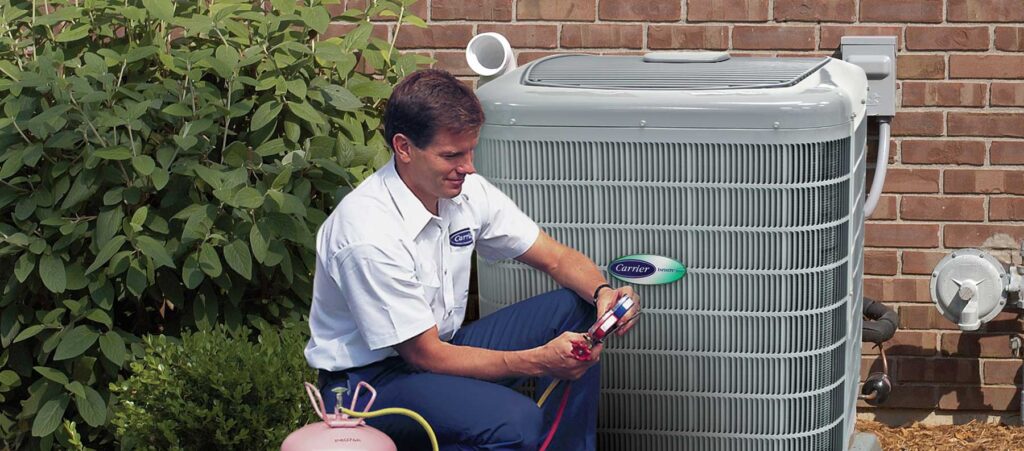
Seasonal HVAC Maintenance Checklist: What Every Homeowner Should Know Before Summer and Winter As the seasons change, it’s crucial to ensure that your HVAC system is prepared to handle the demands of the upcoming weather. , proudly serving since 1953, is here to guide you through the essential maintenance tasks that every homeowner should complete before summer and winter. Our family-oriented business is large enough to service all makes and models of equipment, yet small enough to care, and your comfort is always our #1 priority. Seasonal HVAC maintenance is not only important for maintaining a comfortable home environment but also for extending the life of your equipment and reducing energy costs. By following our comprehensive checklist, you can avoid potential breakdowns and ensure that your system is operating at peak efficiency. Pre-Summer HVAC Maintenance As the weather begins to warm up, it’s time to focus on preparing your air conditioning system for the hot summer months ahead. Here are the key tasks to complete before the heat arrives: Clean or replace air filters: Dirty air filters can restrict airflow and cause your system to work harder than necessary. Replace or clean your filters at least once every three months, or more frequently if you have pets or allergies. Clear debris from outdoor unit: Remove any leaves, twigs, or other debris that may have accumulated around your outdoor unit during the winter months. This will ensure proper airflow and prevent damage to the system. Check refrigerant levels: Low refrigerant levels can cause your air conditioner to work less efficiently and may even lead to compressor failure. Have a professional technician check and adjust your refrigerant levels as needed. At , we always strive to offer a large array of comfort solutions, not just a quote. Our highly-trained technicians will thoroughly inspect your system and provide personalized recommendations to ensure optimal performance throughout the summer. Pre-Winter HVAC Maintenance As the leaves begin to fall and the temperatures drop, it’s time to shift your focus to preparing your heating system for the cold winter months. Here are the essential tasks to complete before the first frost: Inspect and clean burners: Dirty burners can cause your heating system to operate less efficiently and may even produce harmful carbon monoxide. Have a professional technician inspect and clean your burners to ensure safe and efficient operation. Check and adjust thermostat settings: Make sure your thermostat is accurately calibrated and programmed to your desired temperature settings. Consider installing a programmable thermostat to maximize energy savings. Lubricate moving parts: Proper lubrication of moving parts, such as bearings and motors, can help prevent friction and wear, extending the life of your heating system. Our team of technicians at Guardian Heating & Cooling – NextGen continues to strive for excellence in the field. Constant continuing education classes allow our techs to stay ahead of the curve as technology advances, ensuring that your heating system is prepared for the winter ahead. The Importance of Regular HVAC Maintenance In addition to seasonal maintenance tasks, it’s important to schedule regular professional maintenance for your HVAC system. Industry experts recommend having your system serviced at least once a year, preferably in the spring for air conditioning and in the fall for heating. Regular maintenance not only helps to prevent breakdowns and extend the life of your equipment but also offers a range of other benefits, including: Improved energy efficiency: A well-maintained HVAC system operates more efficiently, reducing energy consumption and lowering utility bills. Enhanced indoor air quality: Regular cleaning and maintenance help to remove dust, debris, and other pollutants from your system, improving the quality of the air you breathe. Increased comfort: A properly functioning HVAC system provides more consistent and comfortable temperatures throughout your home. At Guardian Heating & Cooling – NextGen, we believe in doing our work the right way and stand behind our work and products. Our unmatched warranties, guarantees, and maintenance program give you the assurance that we are here for you today and well into the future. Whether you need new equipment, repairs, or maintenance, you can rely on our dependable team to get the job done. By following our seasonal HVAC maintenance checklist and scheduling regular professional service, you can enjoy a comfortable home environment year-round while reducing energy costs and extending the life of your equipment. Trust Guardian Heating & Cooling – NextGen, serving , to be your partner in home comfort.
Heat Pump vs. Furnace: Which Heating Option Is Right for Your Home?
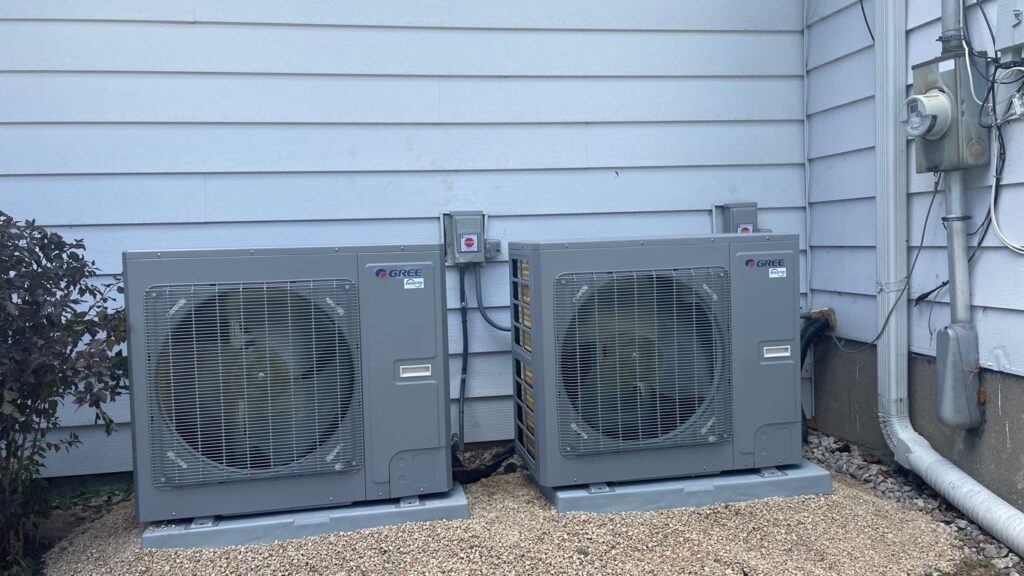
Heat Pump vs. Furnace: Which Heating Option Is Right for Your Home? When it comes to heating your home, you have options. Two popular choices are heat pumps and furnaces. Both have their advantages and disadvantages, and the right choice for your home will depend on several factors. At , we understand that making the decision between a heat pump and a furnace can be challenging. That’s why we’re here to help you understand the differences between these two heating options and determine which one is the best fit for your home in . What Is a Heat Pump? A heat pump is a versatile heating and cooling system that works by transferring heat from one place to another. In the winter, it extracts heat from the outdoor air and moves it inside your home to keep you warm. In the summer, it reverses the process and removes heat from your home, cooling it down. Heat pumps are powered by electricity and are highly efficient, especially in moderate climates like . Heat pumps offer several benefits, including: Energy Efficiency: Heat pumps are incredibly energy-efficient, as they don’t generate heat but rather move it from one place to another. This can result in significant energy savings compared to traditional heating systems. Year-Round Comfort: With a heat pump, you can enjoy both heating and cooling from a single system, making it a convenient and space-saving option for your home. Improved Air Quality: Heat pumps don’t rely on combustion, which means they don’t produce any carbon monoxide or other harmful emissions. This can lead to better indoor air quality and a healthier living environment. What Is a Furnace? A furnace is a traditional heating system that burns fuel (usually natural gas, propane, or oil) to generate heat. The heat is then distributed throughout your home via a network of ducts. Furnaces are a reliable and effective heating option, particularly in colder climates where temperatures regularly drop below freezing. Furnaces have several advantages, including: Powerful Heating: Furnaces are capable of producing high levels of heat, making them an excellent choice for homes in cold climates or for homeowners who prefer warmer indoor temperatures. Affordability: If your home is already equipped with a natural gas line, a furnace can be an affordable heating option, as natural gas is generally less expensive than electricity. Reliability: Furnaces are a tried-and-true heating technology, and with proper maintenance, they can provide reliable heat for many years. Factors to Consider When Choosing Between a Heat Pump and a Furnace When deciding between a heat pump and a furnace for your home in , there are several factors to consider: Climate: If you live in an area with moderate winters, a heat pump may be the more efficient choice. However, if you experience extremely cold temperatures, a furnace may be a better option. Energy Costs: Compare the costs of electricity and natural gas in your area to determine which heating option will be more cost-effective for your home. Installation Costs: Heat pumps and furnaces have different installation requirements and costs. Consider the upfront expenses when making your decision. Energy Efficiency: Heat pumps are generally more energy-efficient than furnaces, especially in moderate climates. However, high-efficiency furnaces can also provide significant energy savings. Environmental Impact: If reducing your carbon footprint is a priority, a heat pump may be the more environmentally friendly choice, as it doesn’t rely on fossil fuels. Trust for Your Heating Needs At , we have been proudly serving up comfort all across Chicagoland since 1953. Our family-oriented business is large enough to service all makes and models of equipment, yet small enough to care. Your comfort is always our #1 priority. We always strive to offer a large array of comfort solutions, not just a quote. Rarely is there only one way to achieve the perfect level of comfort. We firmly believe in educating homeowners and allowing them to make an informed decision. Our high standard of professionalism will give you peace of mind as you make all your informed decisions. Guardian’s technicians always have your best interest at the heart of everything they do. At Guardian, we believe in doing our work the right way and stand behind our work and products. Our unmatched warranties, guarantees, and maintenance program give you the assurance that is here for you today and well into the future. Our team of technicians continue to strive for excellence in the field. Constant continuing education classes allow our techs to stay ahead of the curve as technology advances. Whether you need new equipment, repairs, or maintenance, you can rely on our highly-trained, dependable team to get the job done. If you’re still unsure about which heating option is right for your home, contact today. Our knowledgeable team will assess your unique needs and help you make an informed decision based on your home, budget, and preferences. Trust us to keep you and your family comfortable year-round.